
Cycling in winter - A complete guide
Let's face it, cycling through the winter can be a pretty miserable experience for rider and bike. It's cold, wet, dark and more often than you finish a ride spattered with dirt from the road. But it's far from all doom and gloom though. There are those crisp mornings where the air is perfectly still and the fields are lightly dusted with crystals of frost. These are the days that make winter rides worthwhile. It also makes a refreshing change of scenery from the turbo, plus you get to have a catch up with your clubmates. In winter cycling the complete guide, we list the things to do and to avoid to improve your winter riding experience.
Here is our list of the Do's and Don'ts, the steps you can take to improve your winter riding experience. Whilst also keeping both you and the bike in peak condition for the start of the new season.
DO's
Little & Often
Cleaning that is. Wintry roads are littered with dirt, grime and sometimes by courtesy of those big Yellow trucks, road salt. If you venture out after the gritter has deposited its gifts it's highly advisable to wash down the bike immediately post-ride. You can only imagine what damage road salt will do to a drivetrain! Similarly treating the bike to some TLC after a wet weather ride prevents the components from becoming gunked up and working inefficiently.
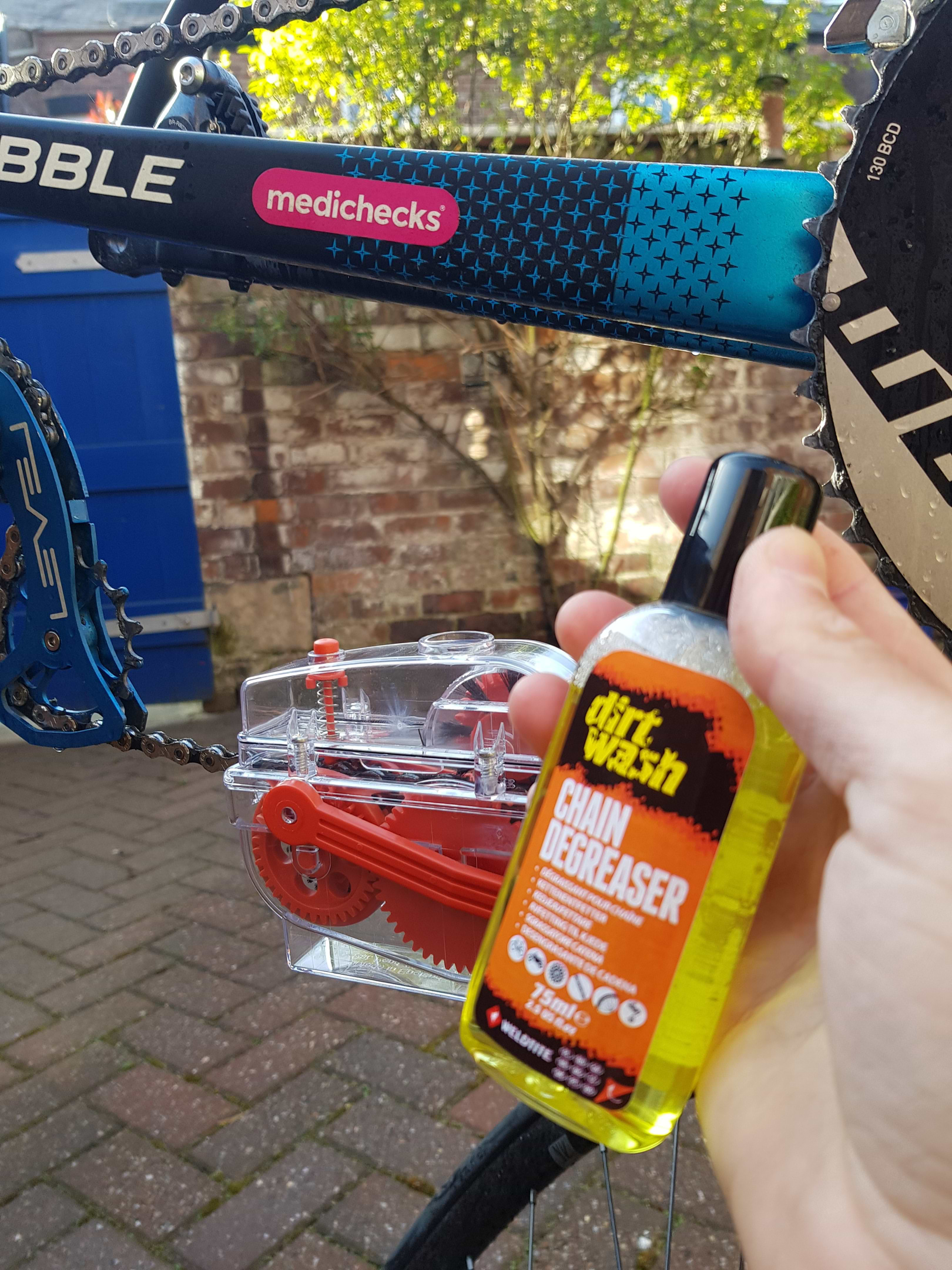
Above Images: A chain bath filled with degreaser is one of the easiest and moset efficient methods for degunking your chain.
Fit Mudguards
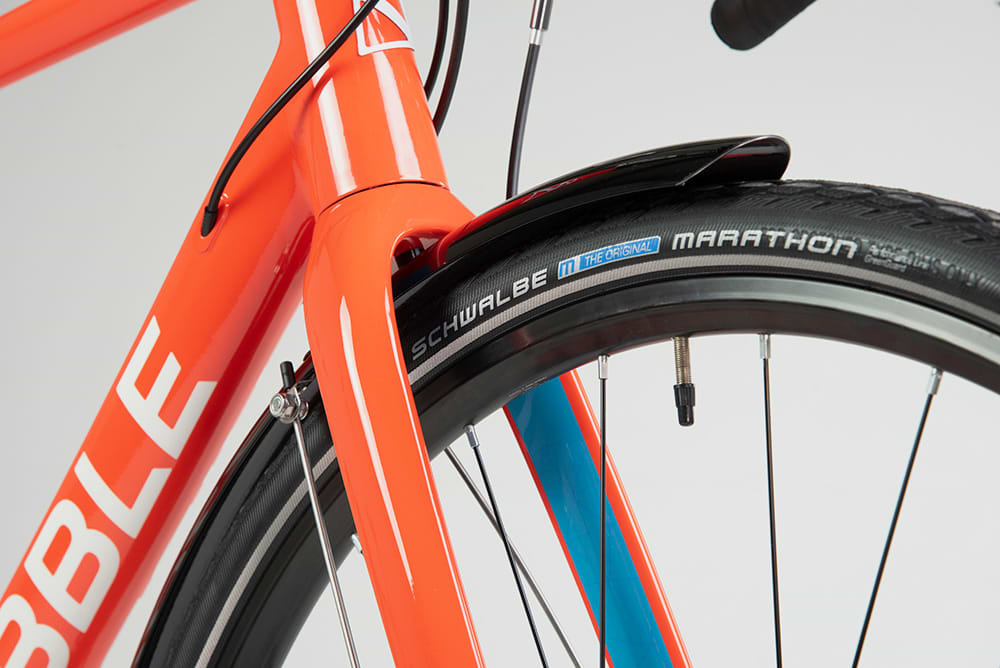
Mudguards are the perfect tool for protecting you and the bike from the worst of the road spray and grime. If your bike has mudguard eyelets you can fit a set of full-coverage guards. In the absence of eyelets, why not fit a set of clip-on guards which are still very effective. Two of the most popular clip-on style mudguards are SKS Race-Blades and Crud Roadracer MKIII's.

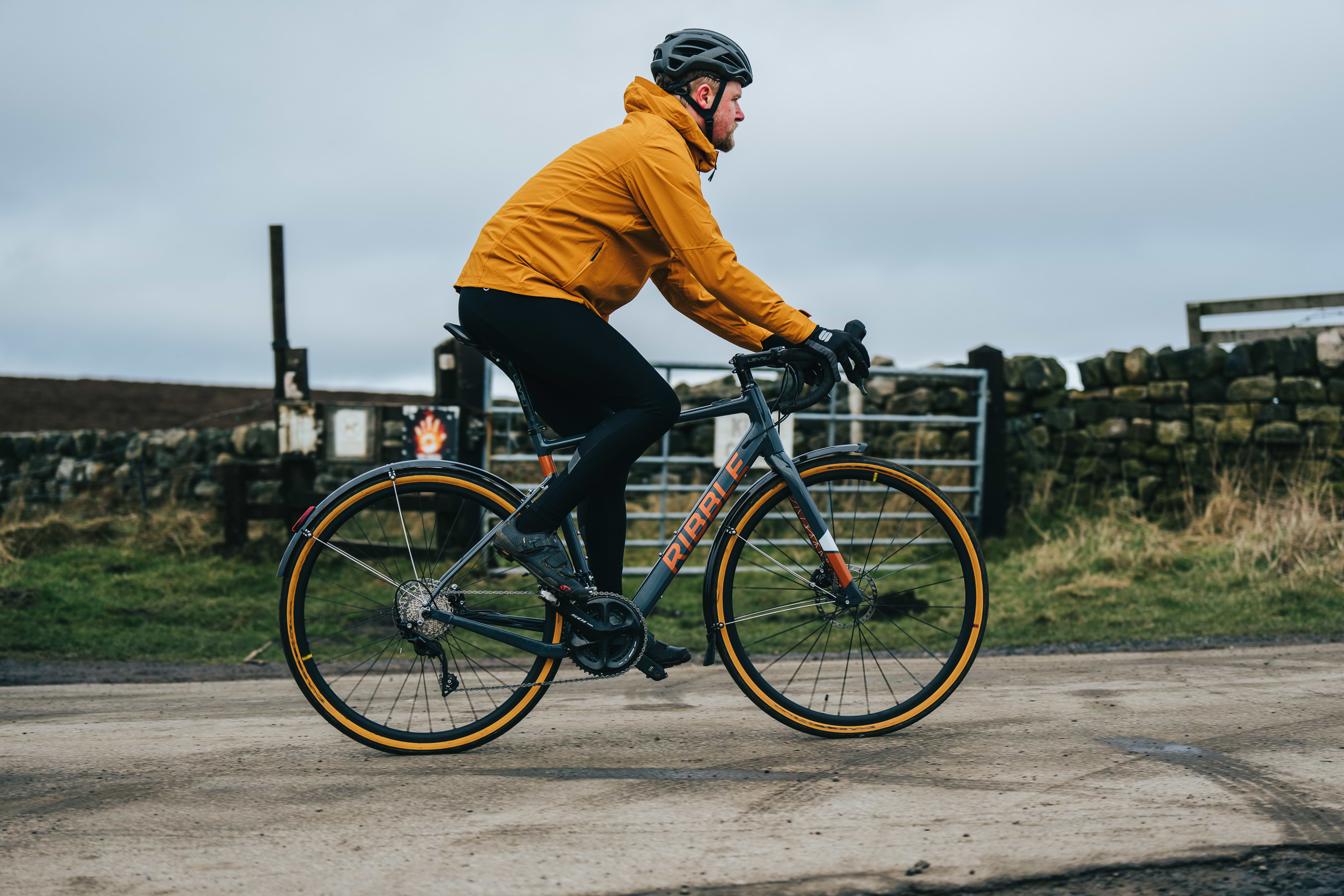
Above Image: Almost every bike in the Ribble range is designed with all-season riding in mind. Just like this, the ultimate winter training bike/all-season commuter bike? The Allroad Ti [https://www.ribblecycles.co.uk/ribble-allroad-ti/]
Fit Winter Tyres
Nobody enjoys being stuck at the roadside, fumbling around for the source of a puncture with icy fingers. This includes your poor clubmates who are stuck waiting for you. Fitting tyres with improved puncture protection and grip is the order of the day. Look for a tyre with a decent puncture protection belt and good grip levels on damp surfaces.

Fit Lights
Invest in a decent set of bike lights or two for riding in the dark or during those murky, grey days. When shopping for lights, ask yourself the questions, do I need lights to see by? Or, do I need lights to be seen? For example, if you regularly ride along poorly lit streets or country lanes you will need a front light that is bright enough to spot potential hazards such as potholes. Aim for something with at least 800 lumen+output, and remember to have it pointing towards the road so as not to dazzle other road users. Some lights even offer a built-in dip feature. However, if you typically limit your rides to well-lit streets, lower-powered LED lights are sufficient. Just remember to fit a backup set just in case your main lights fail for any reason (such as forgetting to charge them, we've never done this... honest👀).
Stick to the plan
If you have planned to ride 3 times this week, do it! Don't let a bit of rain or a strong breeze dissuade you from heading out. It's easy to lose motivation in winter and its a hell of a lot harder to regain it. Once you're out, you know it will be worth it and when spring arrives you'll be fighting fit.
Stick to treated surfaces where possible
Few things unnerve experienced cyclists quite like black ice. To the unwary, the first signs are the inevitable off, followed by you and the bike sliding down the road in perfect unison. If you do decide to brave untreated surfaces (let's face it a lot of us do) try and stick to flatter routes. If you have ever been met by the sight of cars sliding backwards down a climb, you know its time to cut your losses and head for the lowlands. (true story, the climb was the Trough of Bowland ).
Wear Layers
As you get deeper into a ride your body generates more heat and it can be trapped by insulating layers. Now, if you are wearing a number of thinner layers this is not a problem. However, if all you have on is a jersey and a big bulky jacket your options are limited. Your choice is to continue to sweat or remove the jacket and freeze. It's much more practical to layer up.
Most road cyclists tend to mix base, mid and intermediate layers with gilets, windproof jackets and capes to match the conditions. In this way, you can shed layers as necessary but they are still available if it turns cooler again.
DON'Ts
Don't store the bike in a damp area
When storing your bike, try not to store them in a garage or shed where it will be subjected to the cold and damp. If you have to store them in such environments, use moisture-absorbing crystals to counteract the damp. Think of those packets of silica gel that you often encounter when opening up new items of clothing or footwear. You can even buy these online.
Don't ride through puddles
Now we're not saying that you should avoid every puddle because this would be nigh on impossible. What we are saying is that with the state of the roads these days more often than not, that seemingly innocent-looking puddle can sometimes hide a chuffing great pothole. Just waiting to swallow up the wheel of some poor unsuspecting cyclist. For the sake of your wheels (and potentially face) try and avoid where possible.
Don't use a jet wash or hosepipe
A jet wash or hosepipe on jet setting should be avoided at all costs. It is all too easy to wash the protective grease out of bearings. If you must use such equipment avoid the wheel hubs, bottom bracket and headtube. Even better, don't use one at all and just fall back on the trusty soapy water and sponge combo.
Don't double puncture
You know what's worse than a puncture? Two, on the same ride! Even the most puncture-resistant tyres can succumb to the dreaded puncture. Especially if the tyre is worn out. In fairness, it doesn't happen often and if you have a good set of boots (tyres) fitted the chances are greatly reduced. But it is always best to (as the scouts would say) be prepared. Pack 2 tubes for any long winter ride. If you only have room for one, take some puncture repair patches as well.
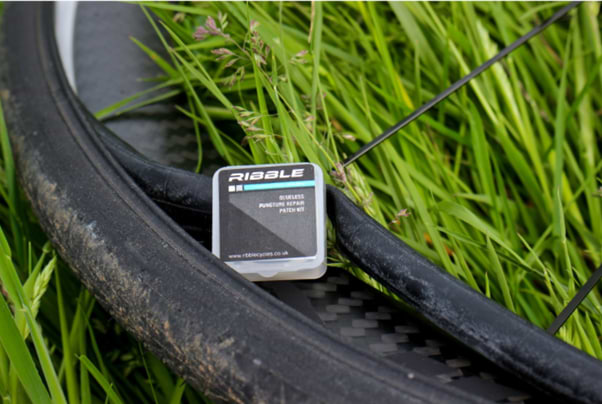
Above Image: Glueless repair patches are an excellent fall-back option, particularly if you have a punctured spare tube too.
Don't be afraid to go crazy with the lube
Dirt and grime from the road are hard on components and can really affect the efficiency of the drivetrain. Not to mention the premature wear of the components. Once you have given the bike a wash down don't be shy with the lube. Treat most moving parts to a quick splash of lube. You can even squirt some down the cables from time to time to ensure they aren't clogged up.
But beware of spraying lube anywhere near disc brakes! If you contaminate the pads with lube you will experience the full force of the dreaded disc brake squeal. The only cure for this is to remove the pads and sand them down or to replace the pads entirely.

Above Image: Overshoes and a good set of gloves help to keep the fingers and tootsies warm when cycling in winter cycling
There are certain cycling essentials that you should never leave home without. To avoid being caught out whilst on your ride, you can these listed here.
Do you own a Ribble bike that you wish to ride through winter? Read our blog on how to convert it to improve cycling in winter.

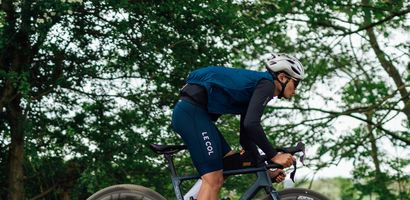
What is a Gravel Bike?
Curious about gravel bikes? Discover what a gravel bike really is, how it handles different terrain and why more riders are choosing it for everyday miles and weekend adventures.

Tyre Choice and Pressures for UK Gravel
Tyres can make or break your gravel ride. This blog cuts through the guesswork on width, tread and pressure, showing you what actually works for UK conditions.
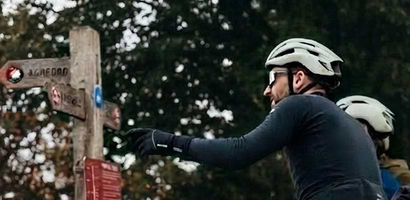
Getting the right set up is half the battle
Getting your gravel bike set up right is the difference between enjoying the ride and counting down the miles. This blog breaks down the key adjustments that actually matter, from saddle height to bar position and tyre pressure, without drowning you in jargon.

Just because it’s wet and cold, doesn’t mean we’re not having fun
February gravel isn’t about hero rides. It’s about quiet trails, mixed surfaces and riding for the sake of it. This blog dives into why Ribble staff and the Outliers keep choosing gravel when winter drags on, from traffic-free routes to bikes built to handle proper UK conditions.
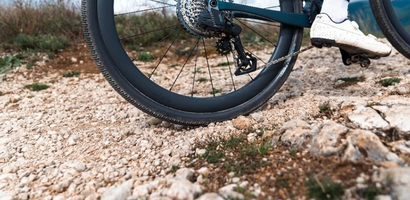
Post Ride Checks That Keep Your Gravel Bike Running
Winter wrecks bikes. This blog shows you how to fight back in five minutes flat. No tools, no faff. Just the simple checks that stop small issues turning into expensive problems. From wiping down grit to spotting tyre cuts and keeping your chain alive, it’s the bare minimum that makes a massive difference. Ride more. Fix less. Your future self will thank you.
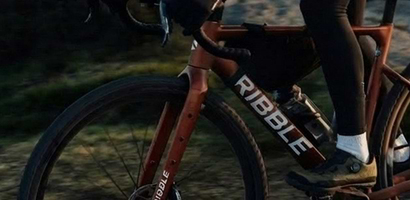
Winter Gravel Essentials: What Actually Works in UK Conditions
Winter gravel isn’t about suffering. It’s about turning up and staying comfortable. This guide shares no-nonsense kit advice from Ribble staff and the Outliers on what actually works in a UK February.
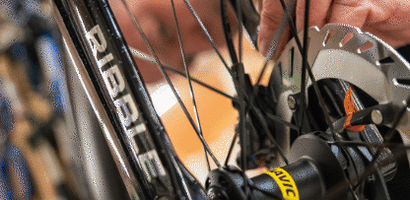
When To Service Your Bike? A Practical Guide for Every Rider
Looking after your bike doesn’t start and end with a clean after riding. Regular servicing keeps it working at its best, no matter how often you ride. The tricky part is knowing when a service is needed. Too early feels unnecessary. Too late and the problems have already crept in. This guide breaks it down simply so you can ride more and worry less.

Best Road Bikes 2026
A clear guide to choosing the right road bike for how you actually ride, cutting through the noise to explain what actually makes a road bike ‘the best’ in 2026.

Shimano 105 - The GOAT Groupset?
Shimano 105 is the groupset riders trust when they want pro-level performance without the pro-level price. With both mechanical and Di2 options now available, it might just be the GOAT. Here’s why.
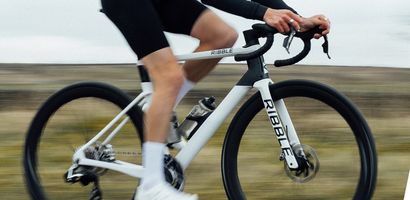
Electric Road Bike vs Road Bike – What’s the Difference?
Electric road bikes deliver the same ride, handling and thrill as traditional road bikes, just with a discreet boost that helps you go further, faster, and ride more often.

Electric Road Bike vs Road Bike - What's the difference?
Electric road bike vs road bike: what’s the real difference? We cut through the myths and show how e-road bikes stack up against traditional road bikes, rider to rider.

How Far Can an Electric Bike Go? Range, Batteries & Real-World Tips
“How far can an electric bike really go?” In this guide, we’ll break down exactly what determines e-bike range, share practical tips to make every charge go further, and show how Ribble’s electric bikes compare in real-world conditions.