Unsere schnellsten Fahrräder, gebaut, um zu gewinnen
Training for a cycling race requires more than just hopping on your bike and pedalling for hours. It’s true what they say: preparation is the key to success.
Ribble is here to offer tips on how to train for a cycling race, whether you’re new to cycling and racing or an experienced cyclist needing to refresh your approach for a challenging cycling event.
This guide will walk you through the key steps to training for a bike race. It will help you improve your performance, build endurance, and ensure you're race-ready.
Pre-Cycling Assessment
Don’t worry! It’s not a test. It's just a few questions to ask yourself to help you set realistic expectations.
Set Clear Goals
What do you want to achieve? Are you aiming to finish a certain distance, improve your time, or win the race?
Establish realistic and measurable goals to guide your training.
Understand Your Current Fitness Levels
What is your current fitness level? Consider how long it takes you to cover a distance. Be honest; if you overestimate, it will be harder to create a realistic, tailored plan to suit your needs and, ultimately, achieve your goals.
Know the Race Terrain
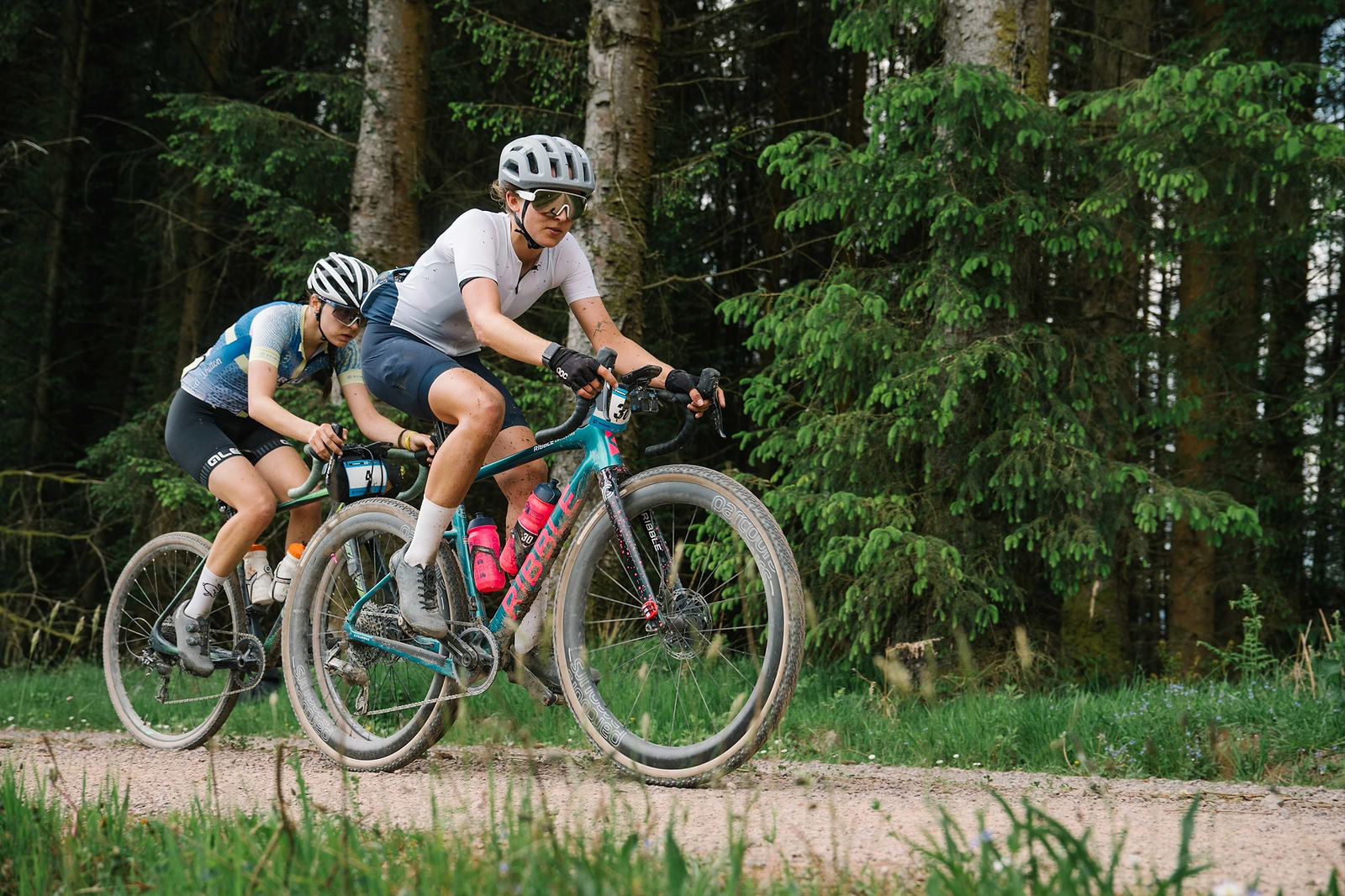
Familiarise yourself with the race route. Is it hilly, flat, or a mix of both? Tailor your training to mimic the race profile and conditions.
Develop a Cycling Training Plan
Create a structured training plan to measure your progress. Build up your training in ‘phases’ to help maintain consistency.
- 12-16 weeks before the race: Build endurance through long, steady rides to lay the foundation for your fitness
- 8-12 weeks before the race: Introduce interval training and hill work to build strength and power
- 4-6 weeks before the race: Sharpen your race fitness with race-specific workouts, including high-intensity efforts and tapering
- 1-2 weeks before the race: Reduce training volume but maintain intensity to allow your body to recover and be at its best for race day
How to Prepare for a Cycling Race
- Long Rides - These build endurance. Aim for one long ride per week, gradually increasing the distance.
- Interval Training - High-intensity interval training (HIIT) will improve your agility and speed.
- Strength & Conditioning - Incorporate strength training to improve muscle power and prevent injury. Focus on exercises that target the legs, core, and upper body.
- Hill Repeats - Mimic the race’s elevation profile by practising hill climbs. These sessions boost your climbing strength.
- Recovery Rides - Incorporate easy rides to aid recovery and prevent overtraining.
- Rest Days - Prioritise rest days to allow your body to recover and adapt to the training load. Use techniques like stretching, foam rolling, and massages to enhance recovery.
Nutrition & Hydration for Cyclsists
Nutrition is key. Fuel your body to aid your training and performance.
Before Training
- Eat balanced meals with carbohydrates, protein, and fats 2-3 hours before training.
- Half an hour before training, have a small snack, like a banana or an energy bar.
During Training
- For rides longer than 90 minutes, consume carbohydrates to maintain energy levels.
- Consider energy gels, bars, or a sports drink.
- Stay hydrated by drinking water or an electrolyte drink – aim for 500-750ml per hour.
Post-Training Recovery
- Replenish glycogen stores and repair muscles with a post-ride meal rich in carbohydrates and protein, ideally within 30-60 minutes of finishing your ride.
Race Day Nutrition
- Stick to familiar foods that you've tested during training.
- Eat a carbohydrate-rich meal 3-4 hours before the race and have a light snack closer to the start time.
Mental Preparation
Your mental health is as important as physical fitness:
- Visualise the race route and imagine yourself riding strong, especially during challenging sections.
- Boost your confidence and focus with positive self-talk.
- Break down challenging climbs into small manageable sections and enter it with a can-do attitude.
Plan a Race Strategy
Consider maintaining a steady pace at the start and gradually speeding up towards the finish. This approach is about keeping motivated and reserving your energy for the first two-thirds of the race. The last part of the race should take the most effort, so planning to refuel your energy levels while racing is critical.
Equipment & Maintenance
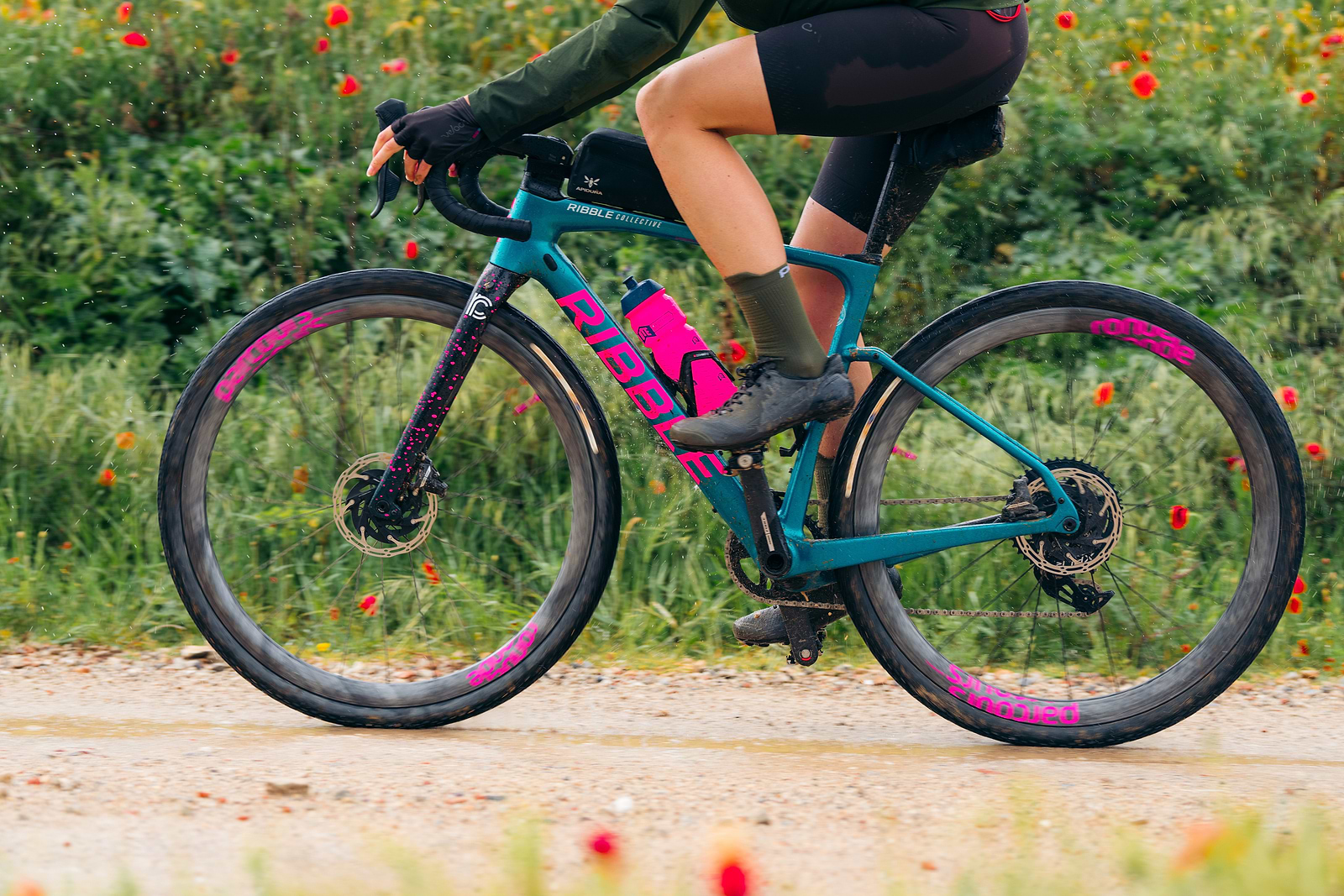
- Bike Fit – Visit our showroom to test-ride different bikes and find the right fit and comfort level. Our expert team will be on hand to help you try different models personalised to your needs for a great cycling experience, especially during longer duration rides.
- Regular Maintenance – Keep your bike clean and ensure all components (chain, tyres and brakes) peform efficiently.
- Race Day Checklist – Before the race, check your tyre pressure, chain lubrication, and brake function. Remember essentials like your helmet, cycling shoes, and race number.
Key Takeaways
Create a Structured Training Plan – Develop a plan incorporating endurance, strength, and race-specific training phases. Include long rides, interval sessions, and hill repeats.
Prioritise Nutrition and Hydration – Fuel your body before, during, and after rides with the right carbohydrates, protein, and fluid balance to support your training and recovery.
Mental and Strategic Preparation –Take the time to prepare for your race mentally. Develop a race strategy with pacing, nutrition, and pivotal moments to push hard.
Bike Maintenance – Keep your bike in top condition to maximise comfort and performance on race day.
Are you Race-Ready
Training for a bike race requires dedication, consistency, and a well-structured plan. By following this comprehensive guide, you'll be well-prepared to tackle your next cycling event confidently. Every ride brings you closer to your goal. Set yourself up for success and stay committed. Enjoy the journey and the thrill of crossing the finish line. Happy riding!
Frequently Asked Questions (FAQs)
How many weeks should I train for a cycling race?
A well-rounded training plan typically spans 12-24 weeks, depending on your fitness level and race distance.
Can I train indoors for a bike race?
Yes, indoor training can be effective, especially during bouts of poor weather. Use a turbo trainer or smart trainer to simulate outdoor conditions and keep the legs spinning.
What should I eat on race day?
Focus on easily digestible, carbohydrate-rich foods. Avoid trying new foods on race day to prevent digestive issues.
Race-Ready Bike Ranges

Ribble Across Africa: 3,200km. Four Countries. One Bike.
From Namibia’s deep sand and relentless corrugations to 210km days across Botswana and the steep, muddy climbs of Eswatini, Phil Freeman put his ALLGRIT TI-X titanium gravel bike through 3,200km of some of Africa’s toughest terrain. One bike, 23 days and not a single puncture.
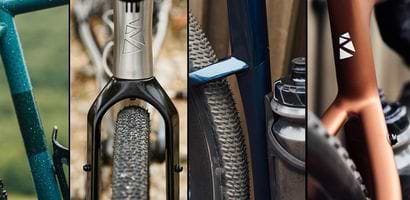
Gravel Bikes - Which frame material is right for you?
More cyclists than ever are seizing the opportunity to take their rides off-piste in search of freedom and adventure. But to do so, you need the right tool for the job - a gravel bike. The Ribble gravel range consists of four frame materials. Each of these offers something a little different in terms of ride quality, longevity and performance characteristics. So how do you decide which frame material is right for you?
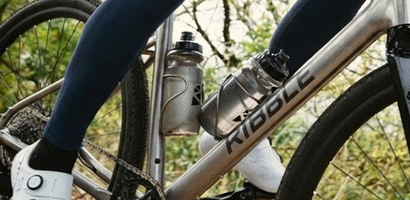
Titanium Bike Buying Guide: How to Choose
Compare Ribble's titanium road, gravel and CGR bikes. Learn the differences between each model and find the right titanium bike for your riding style.

Built For Badlands: Metheven Bond’s Ribble ULTRA-GRIT
Metheven Bond’s Badlands bike: the Ribble ULTRA-GRIT that carried him to sixth place across 817km of demanding terrain. Explore his setup, from tyres and gearing to comfort and carrying essentials, and discover how the details behind his ride can help shape your own gravel adventures, wherever they take you.
The Mechanics Choice - Ste Kane
When you spend every day building bikes, you start looking at them differently. So, when someone who knows the Ribble range inside out chooses a bike for himself, it’s worth asking why.

Autumn Cycling Tips
5 Autumn Cycling Tips Every Rider Should Know. Nights are creeping in. Roads are slicker. The kit that saw you through summer might not cut it now. But autumn doesn’t have to mean fewer miles. With a few smart changes, you can keep the pedals turning right through to winter.
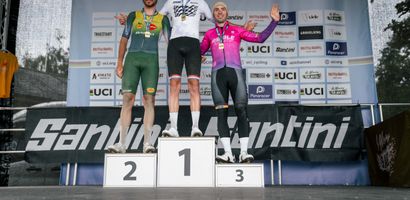
A Solo Win in Wales and a Season Closed Out in the Ardennes
A jersey debut win in Wales and a season closed out in Belgium.
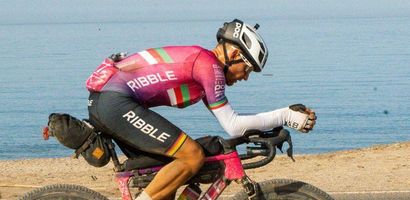
43 hours in Andalusia - Metheven Bond Rides to 6th at Badlands
817km, 14,420m of climbing, two nights without sleep and barely an hour off the bike. Metheven Bond's Badlands is one of the rides of our season.
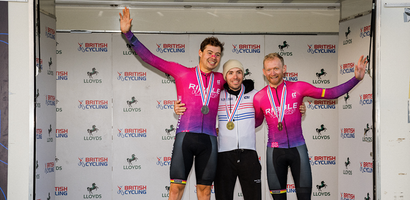
We Came, We Saw, We Conquered.
All four elite national jerseys, a medal for every rider, and a comeback story six weeks in the making. This is how the first ever official British Gravel Championships went for the Ribble Outliers.
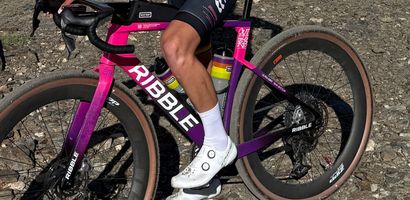
Back From Altitude
Jenson Young has spent the biggest training block of his season on his own in the Sierra Nevada. He flies home on Monday with Nationals and the Europeans to come.

Leila Gschwentner solos to victory
Smurfit Westrock Cycling Team rider Leila Gschwentner delivered a brilliant solo victory at the 2026 Arlberg Giro Criterium in Austria.

Jenson Young Takes on the London Orbital Gravel Route
His goal? Chase down the 2 GCN presenters Si Richardson and Alex Paton who started the same route with a 90-minute head start.