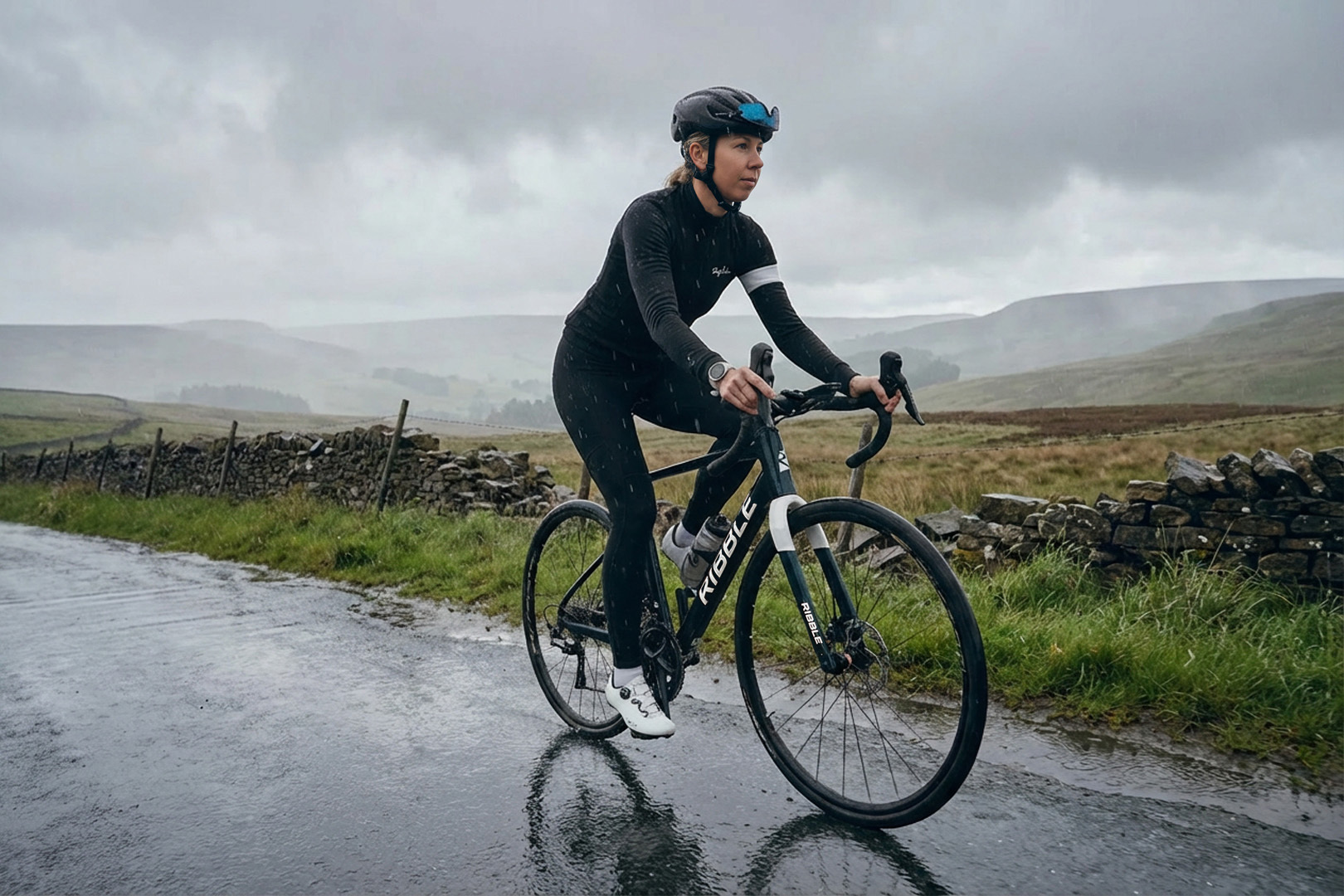
January: Britain's Hidden Cycling Season
There is no time like January
January sees many cyclists returning to their bikes after the festive break, making it one of the busiest months for getting back into routine. Rather than seeing this as something to endure until better weather arrives, there's value in embracing January as a productive time to rebuild and progress your cycling.
Base Season Strategy - Why January Miles Matter
After a break from regular riding, January becomes about rebuilding your cycling fitness systematically. Many of the 16.5 million regular Britis h riders use this period to establish the aerobic foundation that supports the rest of their cycling year.
Those post-holiday rides might feel harder initially, but they're building something important. The consistent, moderate efforts that characterise January riding develop the metabolic machinery needed for later high-intensity work. It's less about dramatic improvements and more about steady, sustainable progress.
If you're tracking rides on TrainingPeaks or Strava, you'll see how those rebuilding miles accumulate into meaningful training stress. The key is patience with the process - January fitness often feels different from peak summer form, but it's equally valuable for long-term development.
Getting Back Into The Rhythm After The Break
The transition from festive indulgence back to regular cycling requires a realistic approach. Your legs might feel heavy initially, your climbing power reduced, and your endurance shorter than you remember. This is normal and temporary.
Many cyclists find their Strava segments reflect this rebuilding period, with times gradually improving through January as fitness returns. There's no need to rush this process - consistency matters more than immediate performance gains.
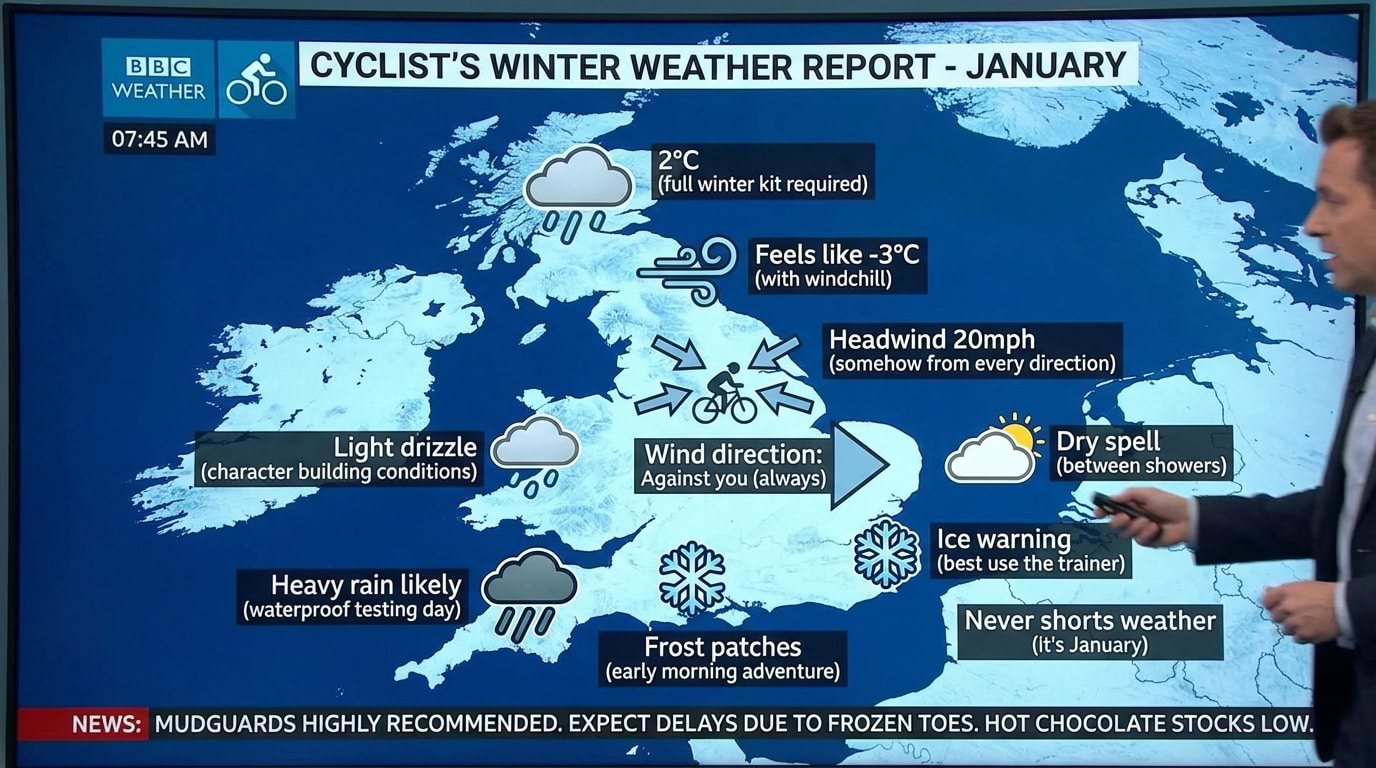
Two Plans To Kickstart Your Cycling
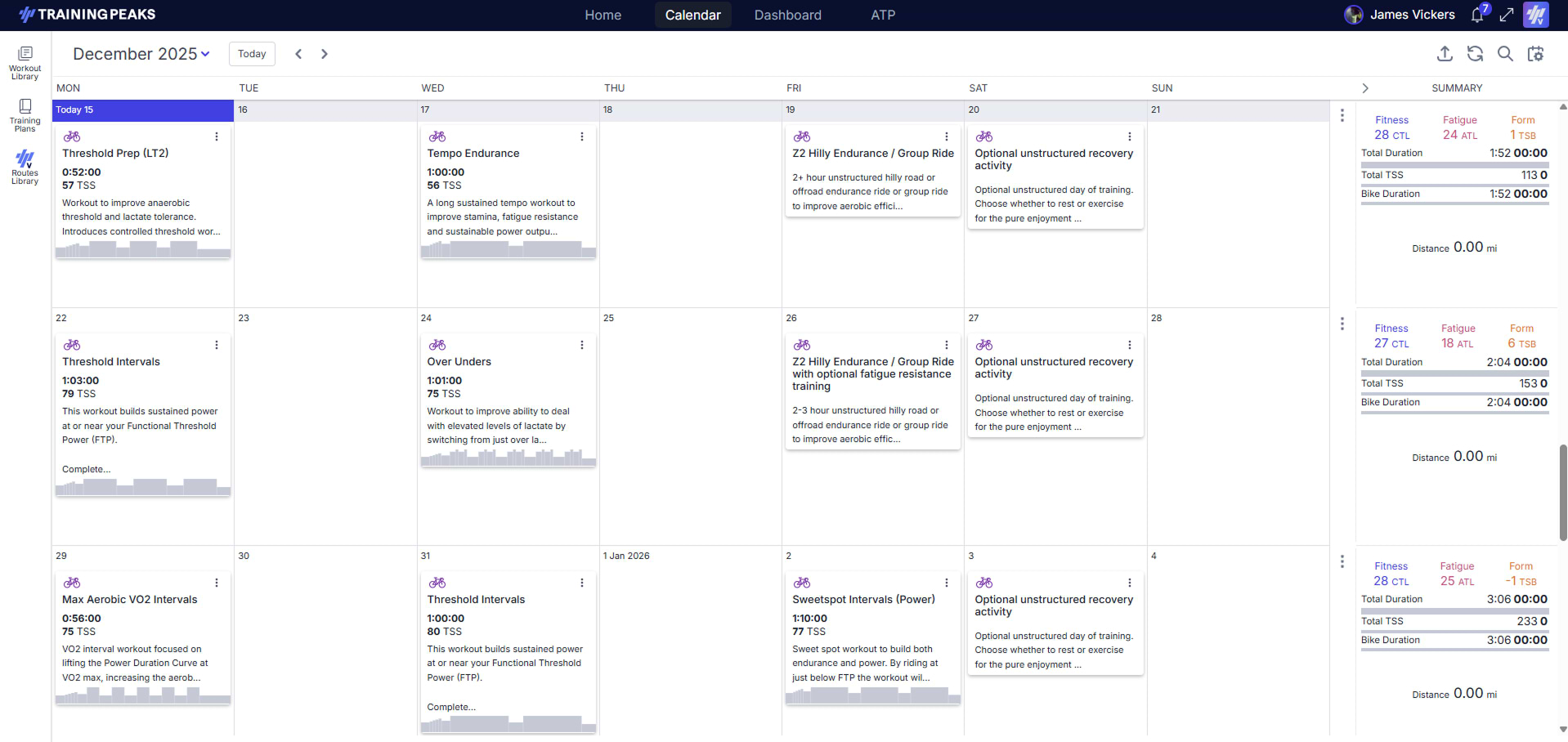
We've worked with coach Ben Thomas to create two 4-week training plans designed specifically for January. Whether you're returning after a break or ready to push performance, there's a structured approach that fits your needs.
The "Get Back to Cycling" plan focuses on rebuilding general fitness using simple effort levels - no power meter needed. It's built around how rides feel, not complex metrics, making it perfect for those re-establishing their cycling routine after time away from the bike.
For cyclists who maintained fitness through December and want measurable performance gains, the "FTP Booster" provides structured threshold development. Developed with TrainingPeaks integration, this plan delivers systematic improvement through precisely calibrated sessions that fit around busy schedules and British winter realities.
Both plans acknowledge that January is demanding. They work with your commitments rather than against them, incorporating indoor sessions on Zwift, TrainingPeaks Virtual, or Rouvy alongside outdoor rides when conditions allow. The choice is yours - rebuild or boost, but either way, start now.
Indoor and Outdoor Balance
January often requires a pragmatic approach to training location. Most athletes will need to ride with lights during shorter daylight hours, or use virtual training apps like Zwift, TrainingPeaks Virtual, or Rouvy when outdoor conditions become challenging.
Indoor training platforms provide excellent opportunities for structured sessions during the worst weather, while outdoor rides in appropriate conditions develop handling skills and mental resilience. The combination often produces better overall development than either approach alone.
The key is maintaining training momentum rather than letting perfect become the enemy of good. Some training is always better than no training, regardless of whether it happens indoors or outdoors
Setting Realistic Expectations
January cycling success comes from managing expectations appropriately. Rather than expecting immediate return to peak form, focus on gradual improvement and enjoyment of the process. Fitness rebuilds more quickly than initially gained, but it still takes time.
Consider January as an investment in the rest of your cycling year. The foundation built during this rebuilding period supports everything that follows, from spring club rides to summer events and autumn challenges.
Track your progress through how you feel rather than just performance metrics. This subjective assessment often provides better guidance for training adjustments than strict adherence to numbers.
FAQ's
Why is January Britain’s hidden cycling season?
January strips riding back to what matters. Quieter roads, crisp air and a calmer calendar give you room to ride at your pace, settle into steady miles and build your fitness levels. It’s a month built for consistency without pressure, which makes every ride feel purposeful.
What type of rides work best in January?
Choose simple loops you can repeat without thinking, roughly 45 to 90 minutes at a conversational effort with gentle climbs and familiar roads. Keep routes close to home so you can shorten if conditions change and focus on smooth pedalling, relaxed handling and staying warm. Consistency beats hero days.
When is the best time of day to ride in January?
Aim for the brightest, mildest part of the day. Late morning into early afternoon usually brings more light, slightly higher temperatures and better road treatment which means less ice and more visibility. If you need to ride at dawn or dusk, pick well-lit routes and run lights even in daylight.
Do I need a dedicated winter bike to enjoy January miles?
A well-maintained bike with good lights, sensible tyres and basic protection will do the job. Mudguards, wider tyres and a quick rinse and re-lube after each ride make winter miles easier, while a dedicated winter build simply adds comfort and reduces wear on your best kit.
How does riding in January set me up for spring?
Regular January rides build durability, habits and confidence. You sharpen handling on damp roads, dial in clothing choices and bank aerobic fitness without chasing numbers. By March the longer rides feel natural because you have done the quiet work when it counted.

Tyre Choice and Pressures for UK Gravel
Tyres can make or break your gravel ride. This blog cuts through the guesswork on width, tread and pressure, showing you what actually works for UK conditions.
Getting the right set up is half the battle
Getting your gravel bike set up right is the difference between enjoying the ride and counting down the miles. This blog breaks down the key adjustments that actually matter, from saddle height to bar position and tyre pressure, without drowning you in jargon.

Just because it’s wet and cold, doesn’t mean we’re not having fun
February gravel isn’t about hero rides. It’s about quiet trails, mixed surfaces and riding for the sake of it. This blog dives into why Ribble staff and the Outliers keep choosing gravel when winter drags on, from traffic-free routes to bikes built to handle proper UK conditions.
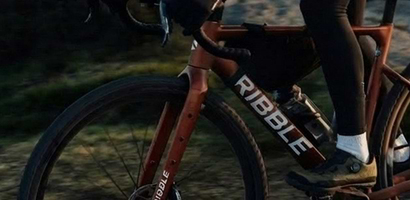
Winter Gravel Essentials: What Actually Works in UK Conditions
Winter gravel isn’t about suffering. It’s about turning up and staying comfortable. This guide shares no-nonsense kit advice from Ribble staff and the Outliers on what actually works in a UK February.
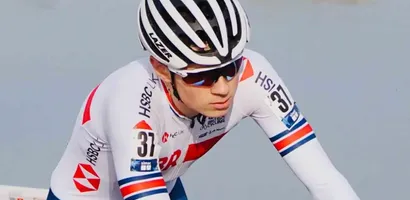
Staying Motivated: Winter Wisdom From The Ribble Family
When winter kills your motivation, even the pros feel it. The difference is they’ve built strategies that keep them riding when willpower runs out. Here’s how they stay consistent, break through the slump, and keep the pedals turning through the toughest months.
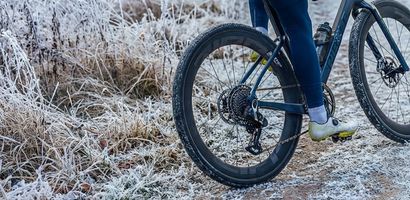
Get Back To Cycling Training Plan
This 4-week plan is designed to increase your FTP with targeted threshold work, sweet spot training, VO₂ max intervals, and progressive endurance—building the adaptations needed to hold higher power for longer.
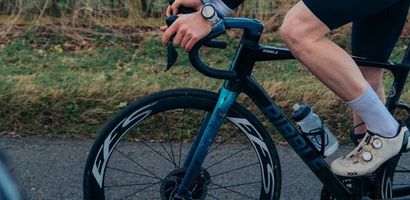
Clean: A Quick Wash Guide With Tom Couzens
Winter rides = filthy bikes. But it doesn’t need to be a chore. Ribble Ambassador Tom Couzens shares a quick 10-minute clean that keeps your bike running smooth and makes getting back out tomorrow a whole lot easier.
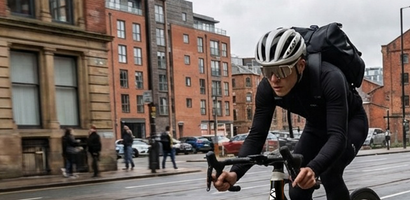
Commuting: Your Daily Training Opportunity
About 6.7% of British workers cycle to work and many turn these commutes into effective training sessions, combining fitness goals with daily travel.
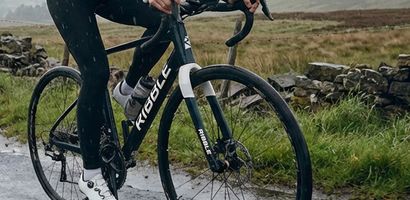
January: Britain's Hidden Cycling Season
January is when many cyclists return to their bikes after the festive break. Instead of just waiting for better weather, use this month as a chance to rebuild fitness and make real progress.
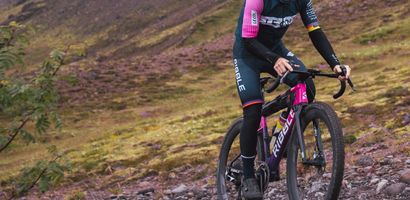
Winter Bike Training Guide: How to Stay Consistent When It’s Cold, Wet and Dark
Discover how to keep your fitness and motivation rolling all winter long with expert tips from Ribble Outlier and coach, Ben Thomas.

Wonders of Winter Riding
Ribble's head of design and former World Tour pro, Jamie Burrow, shares his hacks on how to get the most out of your winter riding.

The best winter bikes - our top picks