
SRAM Force & Rival AXS: Smarter Shifting, Better Braking, More Ride-Ready Than Ever
Pure Performance. No Compromise.
SRAM’s latest updates to Force and Rival AXS aren’t just surface-deep. This is a full upgrade built around real-world riding. Braking is smoother. Shifting is faster. Everything is wireless and effortless.
Whether you ride road, race crits or love long gravel adventures, these new groupsets are designed to keep up with the way you ride now — and where you’re heading next.
Here's what’s new, how they compare and which bikes they're available on now!

What’s New and Why It Matters
All-New Ergonomics with One-Finger Braking Force and Rival now feature a redesigned shift-brake system with lighter, more responsive feel. Braking from the hoods or drops needs just one finger — with up to 80% less effort.
Updated hood shapes suit a wider range of hand sizes. Bonus Buttons give extra control on your computer or an auxiliary shift. Reach Adjust makes sure you get the right fit, every time.
Rider benefit: More comfort, more control, less fatigue — even on long rides.
Smarter, Smoother Shifting Across 1x and 2x Front Derailleur (2x setups) Front shifting is now quicker, cleaner and totally silent. SRAM’s Yaw technology with auto-trim means no chain rub, even under load. An included setup tool makes alignment simple.
Rear Derailleur Both Force and Rival now support 1x and 2x with cassette ranges from 10-28T to 10-36T. A lighter cage and larger pulley wheels boost efficiency and chain security.
Rider benefit: Smooth, reliable shifting with gear range to suit any terrain.
Gravel-Ready with XPLR 1x Tech The XPLR versions of Force and Rival are built for gravel, featuring a 1x-only design with a massive 10-46T 13-speed cassette. The Full Mount derailleur offers better impact resistance, no bent hangers and a set-and-forget setup.
Rider benefit: Simpler drivetrain, tougher design and the wide range you need for off-road exploration.
Integrated Power Meters That Just Work
Both Force and Rival now offer accurate, lightweight power meters — either built into the chainring or hidden inside the crank spindle.
They’re waterproof, reliable and simple to install. Battery life? Up to 400 hours. Accuracy? Within ±1.5%.
Rider benefit: Train smarter, with no bulky sensors or complicated setup.
Flattop Chains and X-Range Cassettes
SRAM’s latest Flattop chains are narrower, stronger and quieter. Available in both silver and eye-catching purple, they’re compatible with 12-speed road and 13-speed XPLR drivetrains.
X-Range cassettes start with a 10T cog and offer smoother steps, keeping your cadence steady across climbs, descents and sprints.
Rider benefit: Less noise, less wear, and always the right gear when you need it.
Which One’s Right for You?
The big question!
It's about understanding which is better for you, your preferences and your riding. If you want lighter weight and crisper feel, go for Force. If you want great performance at a lower price, Rival is hard to beat. Both are reliable, but Force is the go to option if you’re looking to shave grams and ride hard. You're getting more Red level tech for your money.
Rival AXS still gives you the same wireless shifting tech as Force and Red and it’s much more affordable, especially for gravel or winter builds where weight might not the focus vs simplicitity, durability and cost.
All SRAM AXS groups are fully wireless, AXS app enabled, and built around the same shifting logic – so you get the same intuitive ride experience whether you're speccing a race build or a gravel rig.
Want to know more? Chat to our Live in-store experts and explore how SRAM might be perfect for you next Ribble bike.
Conclusion The new SRAM Force and Rival AXS groupsets bring everything riders love — clean looks, wireless tech, simple setup — and make it faster, more comfortable and more capable than ever.
Looking to upgrade? Explore our SRAM builds and customise your dream bike with Ribble.
Your bike. Your way.

NEW SRAM Gravel Bikes
- ULTRA-GRIT Force and Rival XPLR AXS available now. From £2,599
- ALLGRIT TI-X Force and Rival XPLR AXS available now. From £3,499
- (ALLGRIT E CARBON-X Force and Rival XPLR AXS available now. From £3,999
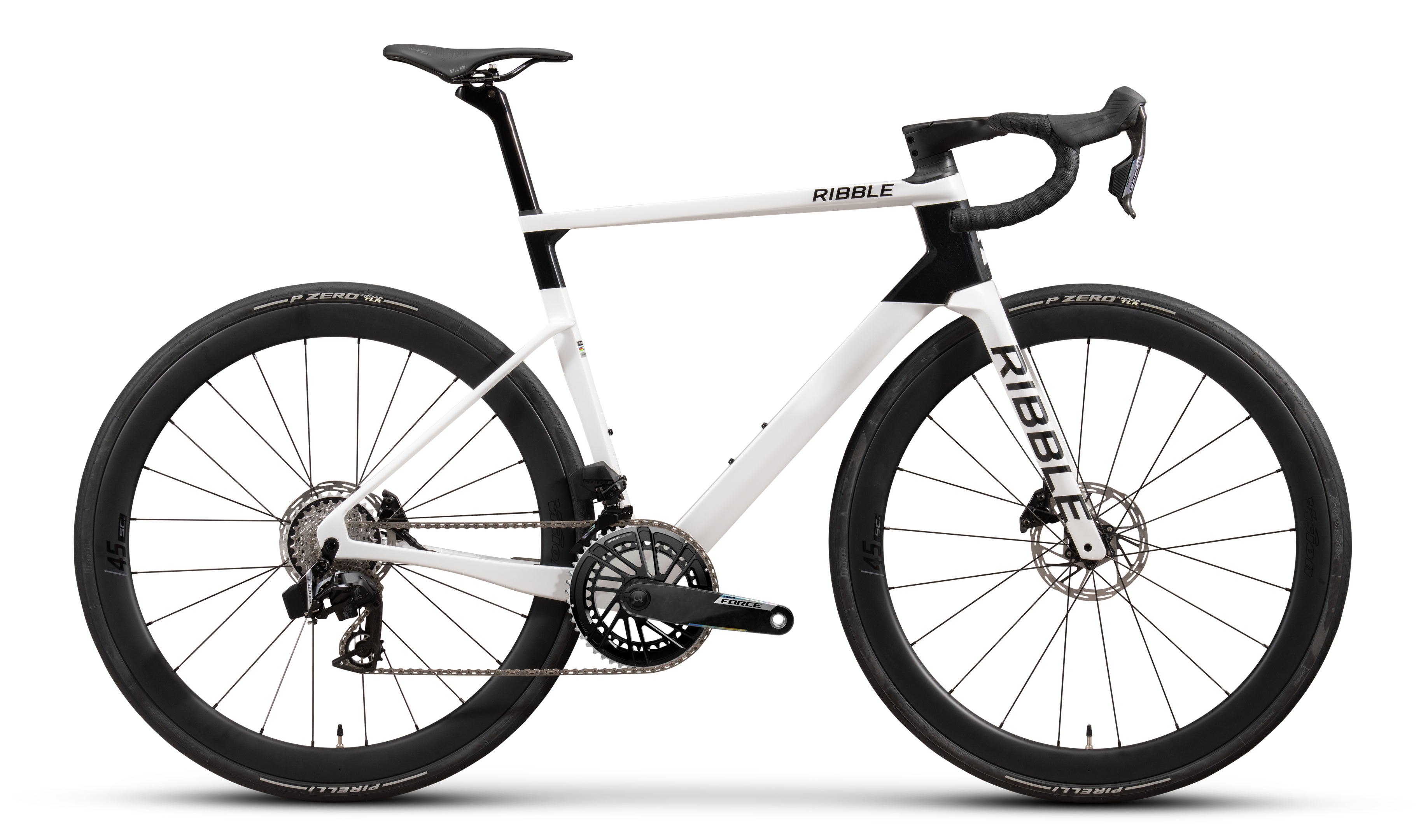
NEW SRAM Road Bikes
- ULTRA-RACE Force AXS available now. From £4,999
- ALLROAD SL R Force AXS available now from £4,599
But, which new Sram groupset is right for you?
The big question!
It's about understanding which is better for you, your preferences and your riding. If you want lighter weight and crisper feel, go for Force. If you want great performance at a lower price, Rival is hard to beat. Both are reliable, but Force is the go to option if you’re looking to shave grams and ride hard. You're getting more Red level tech for your money.
Rival AXS still gives you the same wireless shifting tech as Force and Red and it’s much more affordable, especially for gravel or winter builds where weight might not the focus vs simplicitity, durability and cost.
All SRAM AXS groups are fully wireless, AXS app enabled, and built around the same shifting logic – so you get the same intuitive ride experience whether you're speccing a race build or a gravel rig.
Want to know more? Chat to our Live in-store experts and explore how SRAM might be perfect for you next Ribble bike.
How Does It Compare to Shimano?
Shimano 105 Di2 is the closest match. Both are aimed at riders who want electronic shifting without the premium, pro-level price tag.
The key difference is that SRAM Rival AXS is fully wireless. Shimano 105 Di2 still uses a mix of wires and batteries, which can add complexity when fitting or upgrading.
Shimano fans often prefer the dual-button setup, while SRAM’s one-button logic is loved for its simplicity. If you want cleaner lines, lighter weight (2,685g vs Ultegra Di2 at 2,710g) and fewer components to worry about, SRAM wins on ease of use. But, the differences are small enough that shifting feel, gearing range and ultimately personal preference matter more.
Check out Ribble's Shimano Di2 bikes or find out more about Shimano Di2's performance here
The nitty gritty:
⚖️ Approximate Groupset Weights (complete, with crankset):
- Groupset Approx Weight Notes
- Shimano Dura-Ace Di2 (R9200) ~2,430g Lightest, top-tier
- SRAM Force AXS ~2,685g Lighter than Ultegra
- Shimano Ultegra Di2 (R8100) ~2,710g Mid-range performance
- SRAM Rival AXS ~3,100g Heaviest, budget-friendly
💡 Key Takeaways: SRAM Rival AXS is the heaviest of the bunch. It uses more steel and alloy parts instead of carbon or titanium, which keeps costs low but adds weight.
Force AXS offers a nice balance of performance and weight, sitting comfortably between Rival and Dura-Ace.
Dura-Ace is the lightest, but also the most expensive by far.
Ultegra Di2 is a bit heavier than Force AXS, despite its race-ready status.
And Remember - Chain Care and Durability: What You Need to Know Chain maintenance plays a big role in performance. Here’s what riders should know to help ensure you get the most from your groupset:
When should I replace my SRAM Rival chain? Most chains should be replaced every 2,000 to 3,000 miles, depending on riding conditions. If you notice the chain skipping, shifting poorly or measuring worn with a chain checker, it’s time to swap it out.
How do I tell if my bike chain needs replacing? Use a chain wear tool. If the tool drops easily into the 0.75% or 1.0% slot, the chain is worn and should be replaced. Regular checks prevent premature wear to your cassette and chainrings.
How often should I lube my bike chain? Lube your chain every 100 to 150 miles, or after wet rides. A clean, well-lubed chain runs smoother, lasts longer and protects your drivetrain.
What is the most durable SRAM chain? The SRAM Force Flattop chain is one of the most durable in the range. Its unique profile and hard chrome finish help it run smoother for longer. It’s a strong match for high-mileage riders looking to get the most from every pedal stroke.
What is the lifespan of a bike chain? Chain life varies. With proper care and regular cleaning, most riders can expect 2,000 to 3,000 miles. Wet or gritty conditions will reduce that, so inspection is key.


What is a Gravel Bike?
Curious about gravel bikes? Discover what a gravel bike really is, how it handles different terrain and why more riders are choosing it for everyday miles and weekend adventures.

Tyre Choice and Pressures for UK Gravel
Tyres can make or break your gravel ride. This blog cuts through the guesswork on width, tread and pressure, showing you what actually works for UK conditions.

Getting the right set up is half the battle
Getting your gravel bike set up right is the difference between enjoying the ride and counting down the miles. This blog breaks down the key adjustments that actually matter, from saddle height to bar position and tyre pressure, without drowning you in jargon.

Just because it’s wet and cold, doesn’t mean we’re not having fun
February gravel isn’t about hero rides. It’s about quiet trails, mixed surfaces and riding for the sake of it. This blog dives into why Ribble staff and the Outliers keep choosing gravel when winter drags on, from traffic-free routes to bikes built to handle proper UK conditions.
Post Ride Checks That Keep Your Gravel Bike Running
Winter wrecks bikes. This blog shows you how to fight back in five minutes flat. No tools, no faff. Just the simple checks that stop small issues turning into expensive problems. From wiping down grit to spotting tyre cuts and keeping your chain alive, it’s the bare minimum that makes a massive difference. Ride more. Fix less. Your future self will thank you.
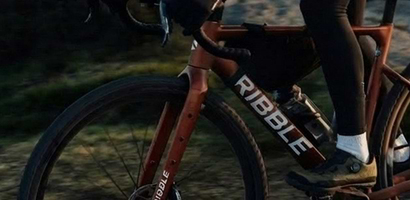
Winter Gravel Essentials: What Actually Works in UK Conditions
Winter gravel isn’t about suffering. It’s about turning up and staying comfortable. This guide shares no-nonsense kit advice from Ribble staff and the Outliers on what actually works in a UK February.
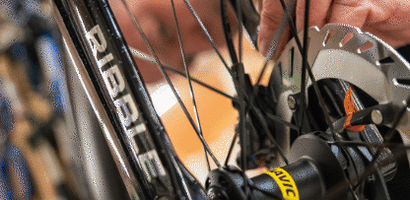
When To Service Your Bike? A Practical Guide for Every Rider
Looking after your bike doesn’t start and end with a clean after riding. Regular servicing keeps it working at its best, no matter how often you ride. The tricky part is knowing when a service is needed. Too early feels unnecessary. Too late and the problems have already crept in. This guide breaks it down simply so you can ride more and worry less.

Best Road Bikes 2026
A clear guide to choosing the right road bike for how you actually ride, cutting through the noise to explain what actually makes a road bike ‘the best’ in 2026.

Shimano 105 - The GOAT Groupset?
Shimano 105 is the groupset riders trust when they want pro-level performance without the pro-level price. With both mechanical and Di2 options now available, it might just be the GOAT. Here’s why.
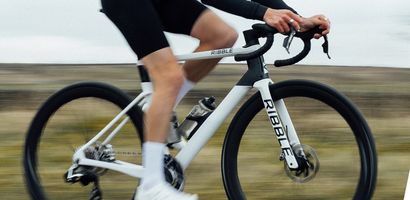
Electric Road Bike vs Road Bike – What’s the Difference?
Electric road bikes deliver the same ride, handling and thrill as traditional road bikes, just with a discreet boost that helps you go further, faster, and ride more often.

Electric Road Bike vs Road Bike - What's the difference?
Electric road bike vs road bike: what’s the real difference? We cut through the myths and show how e-road bikes stack up against traditional road bikes, rider to rider.

How Far Can an Electric Bike Go? Range, Batteries & Real-World Tips
“How far can an electric bike really go?” In this guide, we’ll break down exactly what determines e-bike range, share practical tips to make every charge go further, and show how Ribble’s electric bikes compare in real-world conditions.