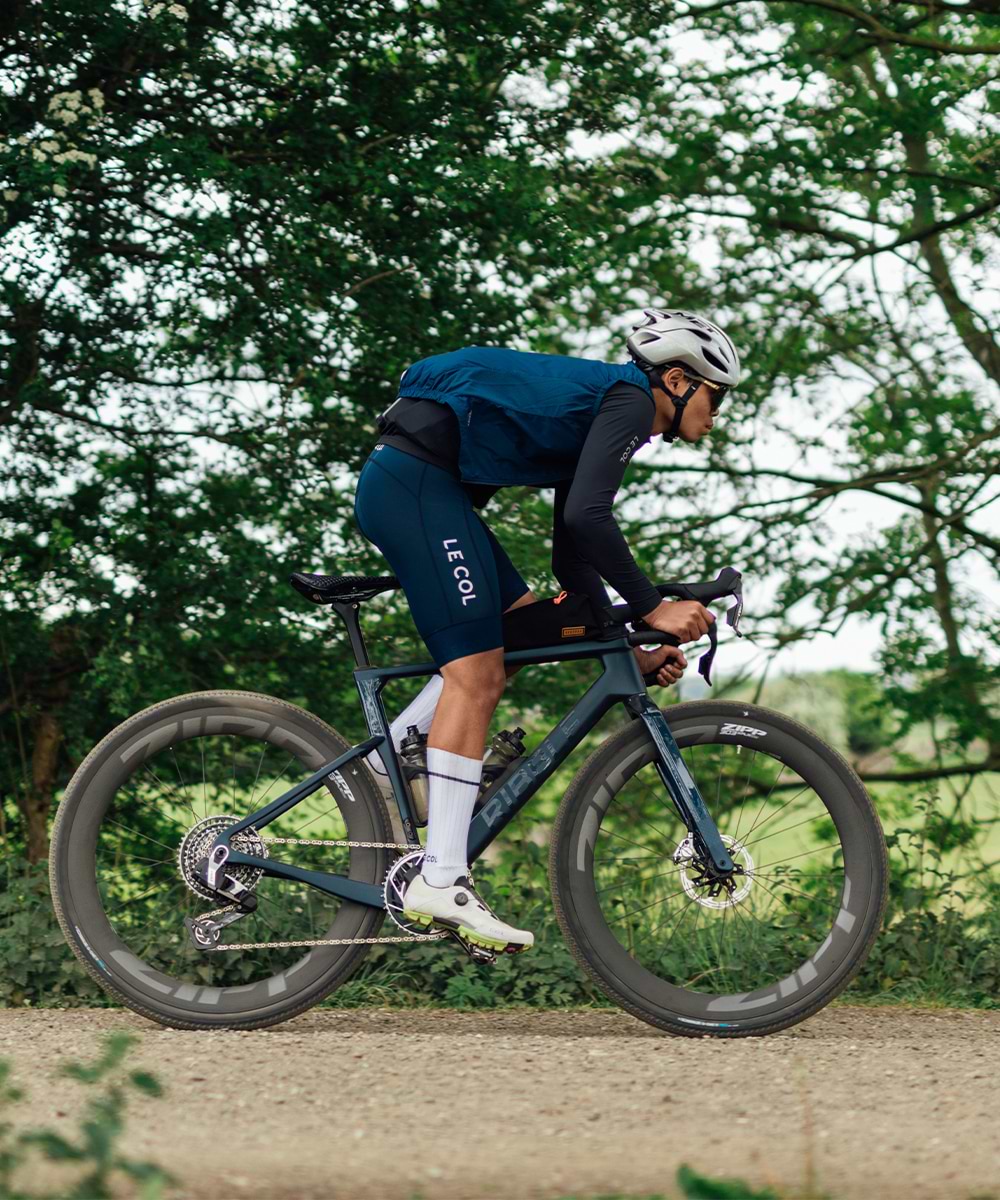
What is a Gravel Bike?
A gravel bike is built for the roads you don’t see on a map.
It’s the bike that lets you leave the tarmac. Turn down the farm track. Roll along canal paths. Smack through a bit of mud. Then jump back on the road and head for home.
One bike. All terrain. No rules.
So, what actually makes it a gravel bike?
At first glance, it looks like a road bike. The same drop bars, sleek frame and fast shape.
But look more closely and the subtle differences start to show.
Wider tyres
You can fit chunky tyres on a gravel bike. That means more grip, confidence and comfort when the surface gets rough or loose.
More clearance
There’s extra space around the tyres and frame. Mud, stones and debris don’t clog things up as easily.
Relaxed riding position
You sit a bit more upright. It’s still quick, but it’s easier on your back and shoulders over long miles.
Stronger frame
Gravel bikes are built to take a beating. Rough tracks, potholes and long days out won’t rattle them.
Mounting points
Many gravel bikes have fixing points for bags, bottles and racks. Perfect for bikepacking or long adventures.
Simple as that. It’s a road bike’s tougher, more adventurous cousin.
Gearing built for mixed terrain
Gravel bikes usually run different gearing to road bikes too.
You’ll often see a single front chainring instead of a road double and a wide-range cassette at the rear. This gives you simple shifting and loads of low gears to tackle steep, loose climbs.
Some bikes run a double chainring for a bigger top-end on the road. Either way, you get a setup that works when the ground turns rough and the gradient bites.
You spin up climbs. You keep control on sketchy descents. You don’t grind yourself into the dust.
Disc brakes for control and confidence
All current gravel bikes use disc brakes. That’s a big part of why they feel so capable. Disc brakes give you strong, steady braking in all conditions. Even in the worst of conditions, whether rain, mud, dust or loose gravel, they just work.
You enjoy more control. More confidence and shorter stopping distances when you need them.
When the surface is unpredictable, that matters.
Frame materials that match your ride
Gravel bikes come in a choice of frame materials. Each one with it's own unique features and ride feel.
Aluminium is tough, affordable and light. Great for riders who want high-end performance on a budget.
Carbon is even lighter and smoother over rough ground. It can be shaped to absorb vibration and boost speed.
Steel is classic, comfy and incredibly durable. Perfect for long days and loaded trips where weight isnt the over-riding priority.
Titanium sits at the top end. Super strong, light and smooth. It rides like steel and is built to last a lifetime.
There’s no wrong choice. It just depends on how you ride and what attributes you value most.
Gravel tyres make the biggest difference
Tyres are where a gravel bike really earns its name. They’re wider than road tyres and have shaped tread for secure grip. The pattern can be light and fast-rolling or chunky and aggressive, depending on the terrain and conditions.
Run them at lower pressure and they soak up bumps and chatter. That means more comfort and better control.
Tyre choice can totally change how your bike feels. Swap them out and it’s almost like a new ride.
FAQs
Can I use a gravel bike on the road
Yes, absolutely. Gravel bikes are great on the road. Many riders use them for everyday road riding and fitness. They might not be quite as fast as a pure road bike, but they’re more comfortable and versatile, especially on imperfect surfaces.
What size tyres do gravel bikes use?
Most gravel bikes feature 40-50 mm tyres. The exact size depends on the clearance and your riding style. Wider tyres give you more comfort and grip on rough surfaces. Narrower gravel tyres feel quicker on smoother tracks.
Are gravel bikes good for commuting?
Yes. They’re comfortable, tough and stable, which is perfect for commuting. You can fit mudguards and racks on most models, carry your gear easily and deal with potholes, curbs and rough sections without worrying.
Do I need special pedals or shoes for gravel riding?
No. You can use flat pedals and normal trainers if you want. Many riders choose clip-in pedals for increased efficiency on longer rides, but it’s personal. There’s no right or wrong setup when you’re just starting out.
What’s the difference between endurance and gravel bikes?
Endurance bikes are built for comfort on long road rides. They still focus on tarmac. Gravel bikes are built for mixed terrain. They have wider tyres, more clearance and geometry that handles loose surfaces better. If you want to leave the road behind, gravel is the better choice.
Optional suspension for extra comfort
Ribble gravel bikes now come with an optional suspension fork on the front for more comfort and control on rough terrain.
It may only be 30mm travel, but it's just enough to take the edge off bumps, roots and rocky tracks.
You don’t need suspension to ride gravel. But if you like tackling rougher trails or riding all day, it can make a big difference to how fast, far and where you ride.


What is a Gravel Bike?
Curious about gravel bikes? Discover what a gravel bike really is, how it handles different terrain and why more riders are choosing it for everyday miles and weekend adventures.
Gravel Bikes - Which frame material is right for you?
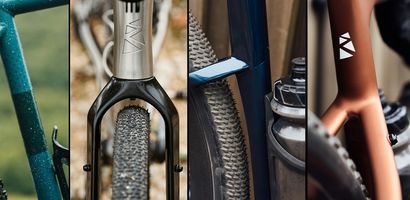
More cyclists than ever are seizing the opportunity to take their rides off-piste in search of freedom and adventure. But to do so, you need the right tool for the job - a gravel bike. The Ribble gravel range consists of four frame materials. Each of these offers something a little different in terms of ride quality, longevity and performance characteristics. So how do you decide which frame material is right for you?
The Rise of Women’s Gravel Riding and What’s Coming in 2026
Gravel riding isn’t just a trend, it’s a movement. And women are at the heart of it. Here, we dig into why women’s gravel riding is booming, what the data tells us, and where the next wave of growth is heading.

Proven on the World Stage: Ribble Outliers at the 2025 UCI Gravel World Championships
A season-defining finale in Limburg: fast, technical racing, a dominant Dutch display, and the Ribble Outliers closing 2025 with grit, heart, and standout rides.

Gravel Worlds 2025: One Last Dance for The Outliers
The Ribble Outliers take on the biggest race of the season - the Gravel World Championships in Limburg, Netherlands - after a year of relentless racing, preparation, and grit, all leading to this final showdown.

Unfinished Business: Jenson Young Returns to the Three Peaks
Ribble Outlier Jenson Young heads back to the legendary Three Peaks Cyclo-Cross, chasing redemption on Britain’s toughest one-day race after heartbreak on Pen-y-ghent in 2024.

Outliers at the British Gravel Championships: Grit, Glory & Podiums
The British Gravel Championships at Dalby Forest delivered a weekend of all-out racing, changing weather, and fierce competition. For the Ribble Outliers, it was a chance to test themselves against the country’s best—and they rose to the occasion. From time trial victories to championship podiums, the team showcased grit, strength, and the performance.

Backing British Gravel: Ribble at the British Gravel Championships
At Ribble, cycling has always been more than just bikes. It’s about community, progression, and giving back to the sport that shapes us. That’s why we’re proud to be the presenting partner of the 2025 British Gravel Championships – an event that showcases the very best of one of cycling’s fastest-growing disciplines.

From Gravel to GRIT: Your Guide to Ribble’s New Gravel Ranges
The Ribble Gravel range has evolved into the new ALLGRIT and ULTRA-GRIT families, making it easier than ever to choose the perfect bike for your ride - from adventure-ready versatility to race-day speed, with SPORTFIT flat bar options for added comfort and control.

ALLGRIT vs ULTRA-GRIT: Which Gravel Bike Is Right For You?
Gravel riding means different things to different riders - from all-day adventure to flat-out speed. That’s why we built two platforms: ALLGRIT for versatility and ULTRA-GRIT for racing. Here’s how to choose the right one for you.
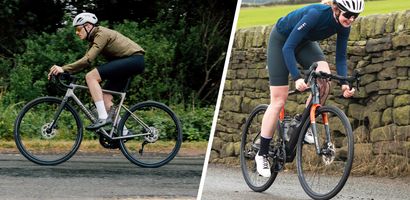
CGR vs ALLROAD: Choosing Between Versatility & Endurance Performance
Not sure whether the CGR or the ALLROAD is the right bike for you? Both deliver big-mile comfort and performance - but in very different ways. Here’s how to cut through the detail and find your perfect match.
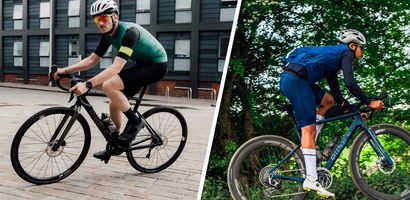
CGR vs. Gravel: Choosing Between Multi-Surface and Gravel Performance
Whether it’s the daily commute, weekend roads, or gravel epics, we have two platforms built to go beyond the beaten path: the CGR and our Gravel range. The question is - which one’s right for you?