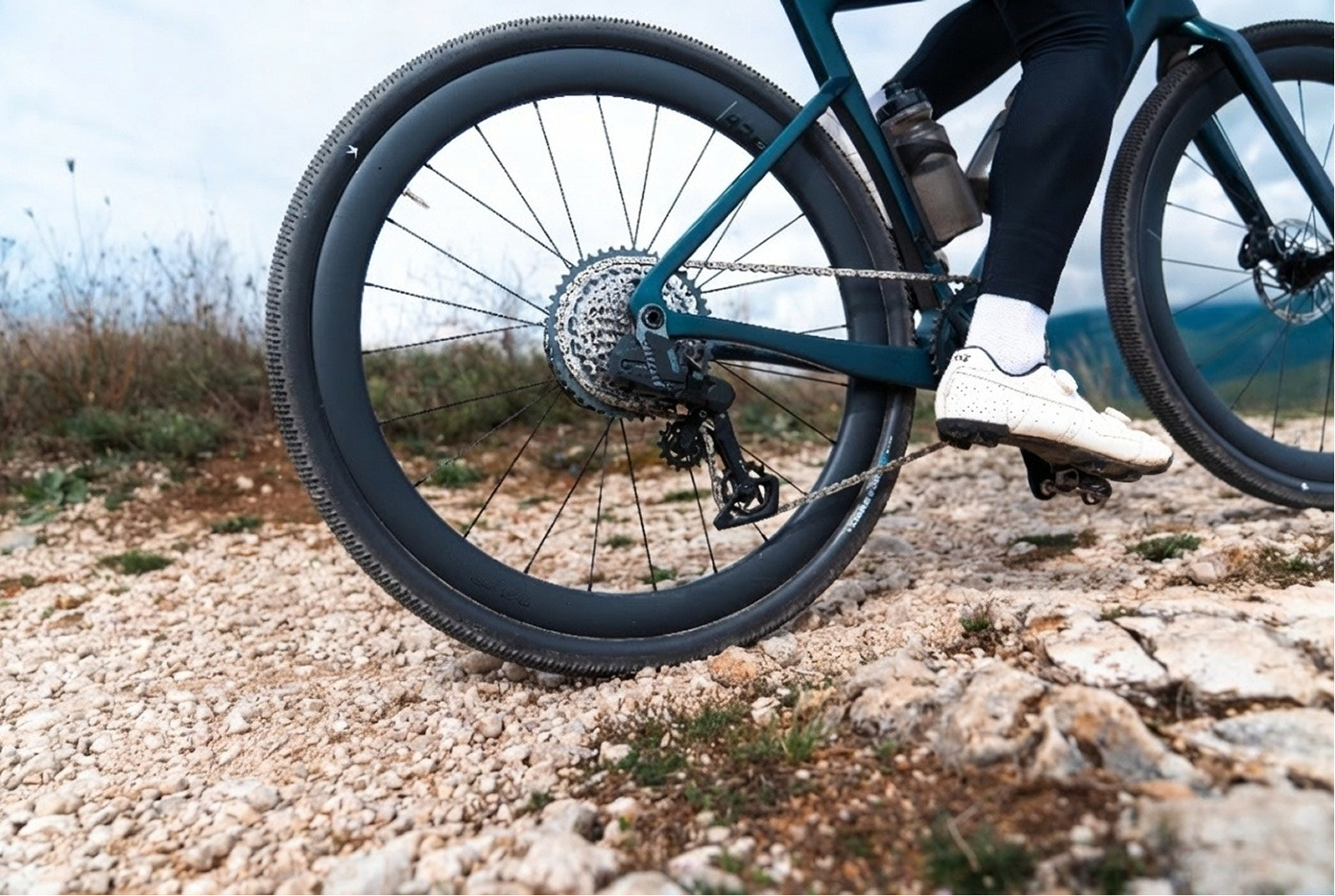
BEWÄHRT UND GETESTET
Routen, Führer und Fahrten
The inside scoop on riding gravel in the UK
Winter gravel riding in the UK is not about surviving heroic conditions. It's about having the right kit so you can keep showing up. Cold, wet, and muddy rides are part of the season. The gear that works is the gear that lets you ride comfortably without thinking about it.
We asked Ribble staff and the Outliers what they actually wear when they head out in February. No marketing speak, just honest guidance on kit that performs.
Layers That Work Winter riding is about managing temperature, not battling it. You'll be cold at the start and warm twenty minutes in. The right layers help you regulate without stopping to strip off or add on.
Base layer: Merino or technical fabric that moves moisture away from your skin. Long sleeve, close fitting. This is your foundation.
Mid layer: A thermal jersey or lightweight insulated jacket. Something that keeps warmth in but lets sweat out. You'll wear this most of the time.
Outer layer: A weatherproof jacket for wind and rain. Breathable, packable, and something you can layer over everything else when conditions turn.
Tip from the Ribble Outliers: Start slightly cold. If you're warm at the door, you'll be overheating within ten minutes.
Hands and Feet Your extremities suffer first in the cold. Get these wrong and the ride becomes miserable fast.
Gloves: Winter gloves with windproof backing and enough insulation to keep your fingers working. Full finger, obviously. Some riders prefer lobster mitts for really cold days.
Socks: Merino wool socks, mid to high cut. Avoid cotton. Your feet will get damp from sweat regardless, but merino keeps them warm.
Overshoes: Neoprene shoe covers for anything below 8 degrees. They keep the wind out and add a layer of insulation. Mudguards help too by keeping spray off your feet.
Tip from Ribble staff: If your toes go numb, your shoes might be too tight. Loosen them slightly to improve circulation.
Head and Eyes Cold air and wet roads mean you need to protect your face and keep your vision clear.
Neck tube or buff: Essential. Pull it up over your nose and mouth on cold descents, drop it down when you're working hard. Simple and effective.
Cap or headband: Under your helmet for extra warmth. A thin cap works for most UK winter conditions.
Eyewear: Clear or light tinted lenses for low light and spray. Anti-fog coating helps but won't solve everything. Some riders prefer nothing at all in heavy rain.
Tip from the Outliers: A peaked cap keeps rain off your face better than a headband. Small detail, big difference.
Lights February means short days and low visibility. You need to see and be seen.
Front light: Minimum 400 lumens for unlit lanes and gravel tracks. More if you're riding technical terrain in the dark.
Rear light: Bright, flashing, and positioned where drivers can see it. Consider a helmet mounted rear light for extra visibility.
Tip from Ribble staff: Charge lights the night before. Dead batteries end rides early.
Final Word The best winter kit is the kit you'll actually wear. It needs to work with the riding you do and the conditions you face. Get the basics right and February gravel stops feeling like a battle. It just becomes riding.
It's Time To Upgrade
Winter kit gets you out the door. The right bike keeps you there. Our ULTRA-GRIT and ALLGRIT ranges are designed for UK conditions: mudguard mounts, tyre clearance, and stable geometry for wet gravel. Check out the range below
- New

ALLGRIT Ti-X
Entwickelt für die Langstrecke. Hochwertiges 3D-gedrucktes Titan, extrem ruhiges Fahrverhalten, robuste Ausdauer. Gebaut, um immer weiter zu fahren, für immer.
- Spare $75
- New
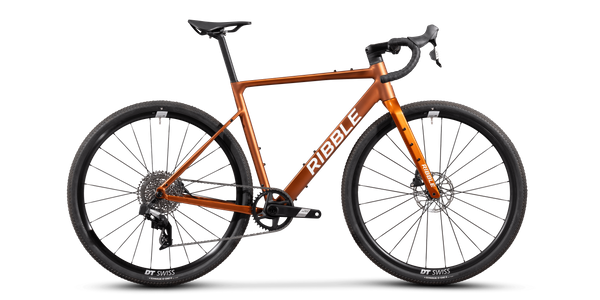
ALLGRIT AL
Pures Abenteuer, überallhin mitnehmbar. Leichte Legierung, sicheres Handling, volle Beladbarkeit. Fahre auf Straßen, Trails und allem, was dazwischen liegt.
- Spare $75
- New
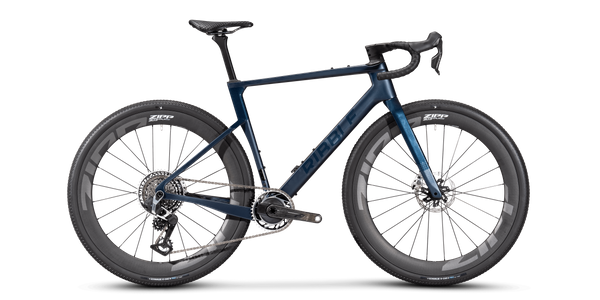
ULTRA-GRIT
Rennerprobter Carbon-Gravel-Racer mit Aero-Optimierung und präzisem Handling. Gebaut, um schneller und weiter zu fahren. Gewicht ab 8,0 kg.

Gravel Ti
Titan Gravel Bike - Leichtgewicht mit ganzjähriger Vielseitigkeit auf jedem Terrain
- New
- Electric
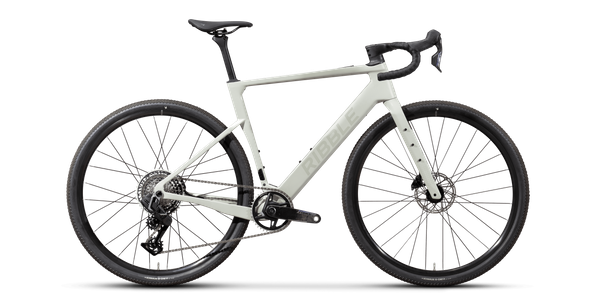
ALLGRIT E CARBON-X
Leicht. Kraftvoll. Grenzenlos. Carbonrahmen, integrierte Leistung, Geschwindigkeit in jedem Gelände. Abenteuer, verstärkt.
Bitte beachte, dass wir dieses Produkt nicht in das von dir gewählte Land liefern können- Spare $210

Gravel 725
Traditionelles Gravelbike mit Stahlrahmen. Langlebig, geländegängig und komfortabel für ganztägige Touren auf Trails.
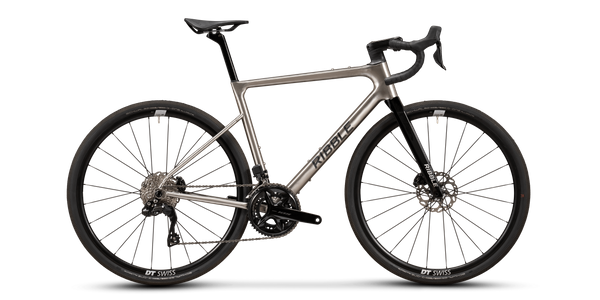
CGR Ti-X
Titan-Eleganz mit der „CGR do it all”-Einstellung. Geschmeidig, selbstbewusst, bereit, auf jedem Untergrund die Distanz zu gehen. Gebaut, um zu fahren, und gebaut, um zu halten.
- Spare $405
- New
- Electric
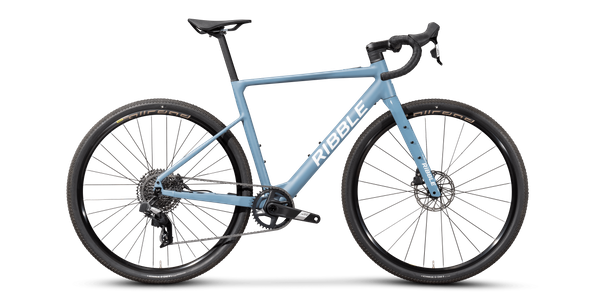
ALLGRIT E AL
Electric freedom, wherever you roam. Sleek alloy frame, natural pedal-assist, all-terrain ready. Power your next escape.
Bitte beachte, dass wir dieses Produkt nicht in das von dir gewählte Land liefern können 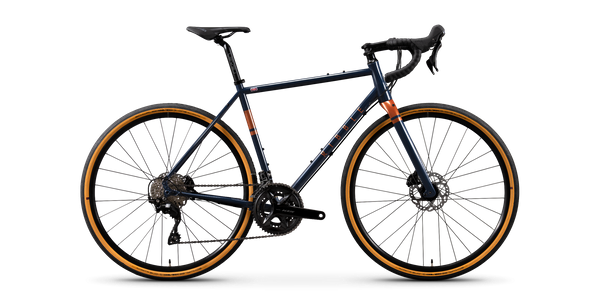
CGR 725
Stahl Cross Gravel Rennrad - Klassischer Stahl mit Vielseitigkeit für jede Jahreszeit und jedes Gelände
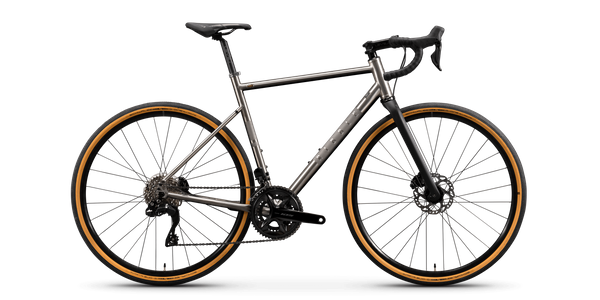
CGR Ti
Titan Cross Gravel Rennrad - Das entspannte und stabile CGR Ti ist bereit, auf einer Vielzahl von Terrains zu fahren.
- Electric

CGR E Carbon-X
CGR auf einem neuen Niveau. Ein hochwertiges, integriertes E-Bike für Straße, Gravel und alles dazwischen. Superleichtes Carbon-Bike und das neueste X20-E-Drive-System von Mahle. Es kann alles, was du kannst.
Bitte beachte, dass wir dieses Produkt nicht in das von dir gewählte Land liefern können- Spare $145
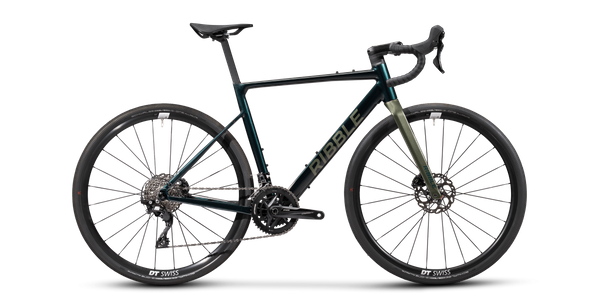
CGR AL
Das original Allround-Fahrrad. Ein vielseitiges Aluminium-Fahrrad für jeden Untergrund, das für den täglichen Gebrauch konzipiert ist. Zuverlässig auf dem Weg zur Arbeit, auf Schotterwegen oder auf der Straße. Mit Halterungen für Gepäckträger, Schutz
- Spare $275
- Electric

CGR E AL
Alles, was das CGR AL so brillant macht, plus elektrische Unterstützung, wann immer du sie brauchst. Angetrieben vom Mahle X30 E-Drive-System. Leise, leicht und startklar.
Bitte beachte, dass wir dieses Produkt nicht in das von dir gewählte Land liefern können 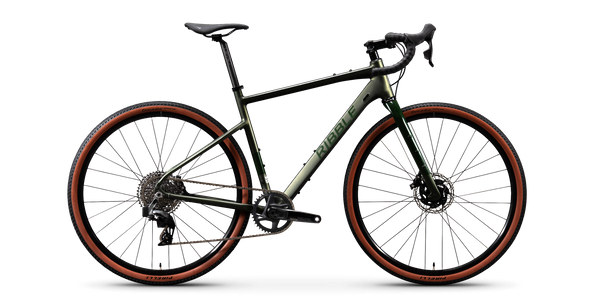
Gravel AL
Alu Gravel Bike - Ein für alles gerüstetes Gravelbike für jedes Gelände und jedes Abenteuer.

Allgrit Ti-X Sportfit Apex XPLR AXS
Hochwertiger Titanrahmen, Carbongabel und aufrechte Flatbar-Konfiguration für sichere Kontrolle in unwegsamem Gelände, mit Mavic-Laufrädern und präziser SRAM Apex XPLR AXS Wireless-Technologie.
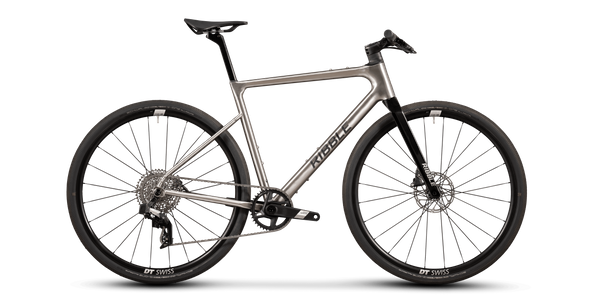
CGR Ti-X Sportfit Apex XPLR AXS
Vielseitigkeit durch flache Titanlenker mit kabelloser SRAM Apex XPLR AXS-Schaltung und DT Swiss-Laufrädern für souveräne Allroad-Performance mit zeitlosem Fahrkomfort.


Tyre Choice and Pressures for UK Gravel
Tyres can make or break your gravel ride. This blog cuts through the guesswork on width, tread and pressure, showing you what actually works for UK conditions.
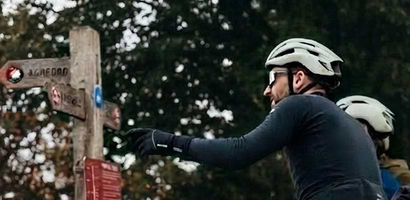
Getting the right set up is half the battle
Getting your gravel bike set up right is the difference between enjoying the ride and counting down the miles. This blog breaks down the key adjustments that actually matter, from saddle height to bar position and tyre pressure, without drowning you in jargon.

Just because it’s wet and cold, doesn’t mean we’re not having fun
February gravel isn’t about hero rides. It’s about quiet trails, mixed surfaces and riding for the sake of it. This blog dives into why Ribble staff and the Outliers keep choosing gravel when winter drags on, from traffic-free routes to bikes built to handle proper UK conditions.
Winter Gravel Essentials: What Actually Works in UK Conditions
Winter gravel isn’t about suffering. It’s about turning up and staying comfortable. This guide shares no-nonsense kit advice from Ribble staff and the Outliers on what actually works in a UK February.
Staying Motivated: Winter Wisdom From The Ribble Family
When winter kills your motivation, even the pros feel it. The difference is they’ve built strategies that keep them riding when willpower runs out. Here’s how they stay consistent, break through the slump, and keep the pedals turning through the toughest months.
Get Back To Cycling Training Plan
This 4-week plan is designed to increase your FTP with targeted threshold work, sweet spot training, VO₂ max intervals, and progressive endurance—building the adaptations needed to hold higher power for longer.
Clean: A Quick Wash Guide With Tom Couzens
Winter rides = filthy bikes. But it doesn’t need to be a chore. Ribble Ambassador Tom Couzens shares a quick 10-minute clean that keeps your bike running smooth and makes getting back out tomorrow a whole lot easier.
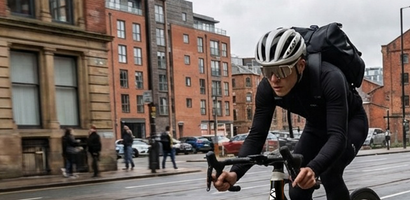
Commuting: Your Daily Training Opportunity
About 6.7% of British workers cycle to work and many turn these commutes into effective training sessions, combining fitness goals with daily travel.
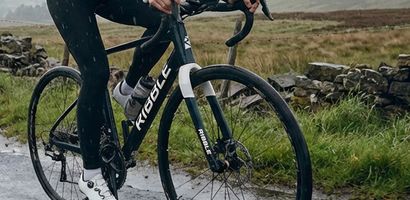
January: Britain's Hidden Cycling Season
January is when many cyclists return to their bikes after the festive break. Instead of just waiting for better weather, use this month as a chance to rebuild fitness and make real progress.
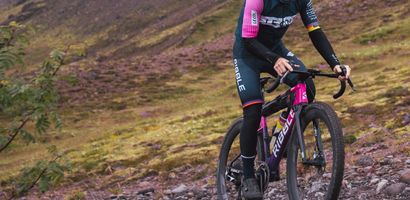
Winter Bike Training Guide: How to Stay Consistent When It’s Cold, Wet and Dark
Discover how to keep your fitness and motivation rolling all winter long with expert tips from Ribble Outlier and coach, Ben Thomas.

Wonders of Winter Riding
Ribble's head of design and former World Tour pro, Jamie Burrow, shares his hacks on how to get the most out of your winter riding.

The best winter bikes - our top picks